The vinyl revival: Why are records making such a big comeback?
Written by Francesca O’Callaghan
For years, record shops looked like relics of a fading past, overshadowed by streaming services and digital convenience.
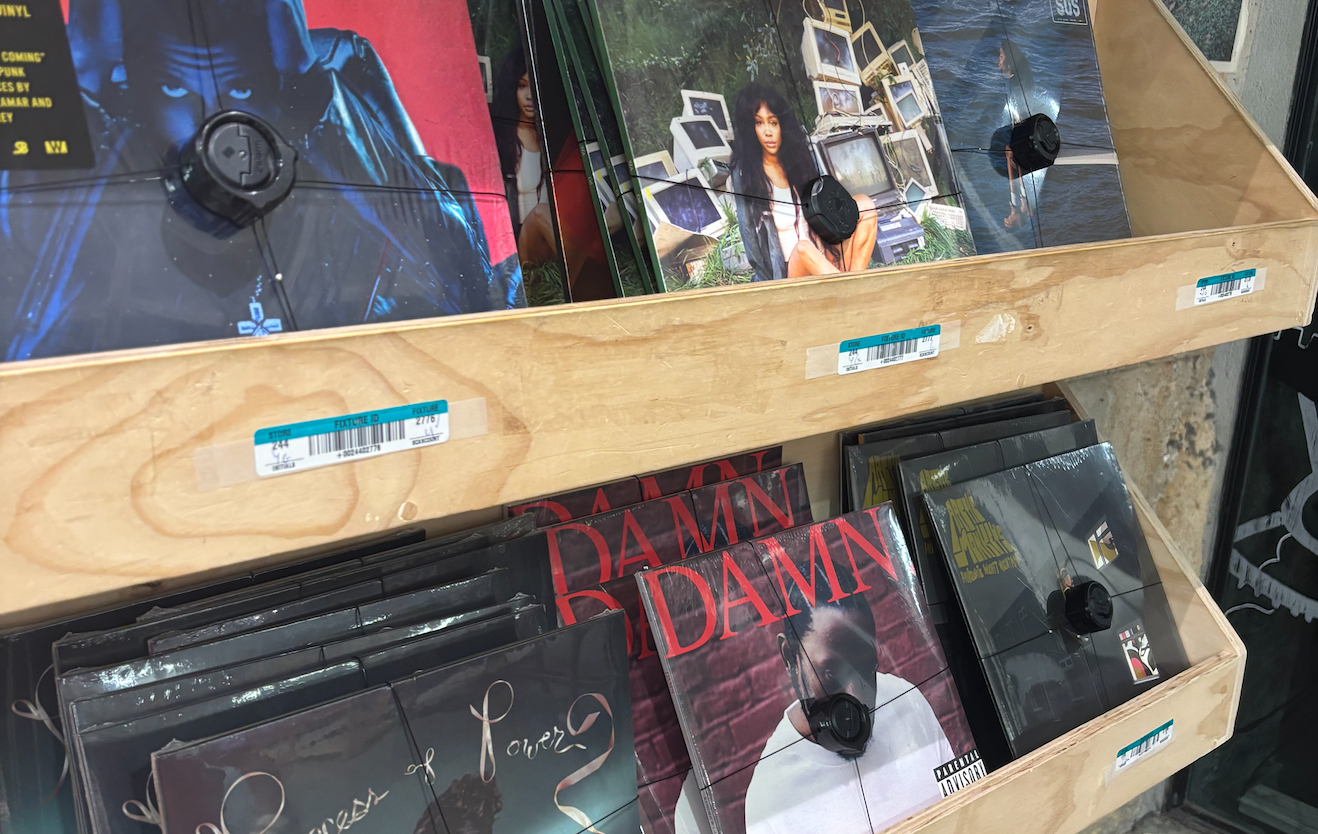
Fast forward to 2025/26, record sales have surged across the UK and beyond—generating £174.7 million in revenue. At a time when almost every song ever recorded is available instantly through Spotify or Apple Music, it seems almost absurd that a technology first introduced in the 1930s is experiencing such a dramatic resurgence.
Why are people now buying vinyl records?
The simple answer is nostalgia. Vinyl reminds older listeners of a different era while offering younger generations a glimpse into a musical culture they never experienced. Rather than looking backwards, many consumers are using vinyl to push back against a music industry increasingly dominated by algorithms and passive consumption.
The rise of streaming has undoubtedly transformed how we consume music. For a relatively small monthly fee, listeners gain access to millions of songs from around the world from the likes of Fleetwood Mac to Taylor Swift.
Yet this accessibility has fundamentally altered our relationship with music. Rather than purchasing albums and building collections, consumers now effectively rent access to vast digital libraries. The music itself is no longer an object we own, but a service we subscribe to.
This shift has also transformed listening habits. Full albums are often abandoned after only a few tracks, while algorithmically generated playlists increasingly determine what listeners hear. Instead of actively seeking out music, many people simply consume whatever is placed in front of them.
What does vinyl offer that streaming cannot?
Listening to an LP involves removing it from its sleeve, cleaning the surface, placing it on a turntable and carefully lowering the needle. These actions may seem insignificant, but they transform listening from a passive activity into a celebration of the beauty of music.
This is particularly appealing in a society increasingly defined by speed and convenience. Much like the popularity of film cameras and independent bookshops, vinyl represents a rejection of constant efficiency. The act of sitting down and listening to an album without endlessly scrolling through alternatives encourages a level of focus.
This desire for ownership is perhaps most visible during Record Store Day, an annual event held in April celebrating independent record shops through exclusive vinyl releases, live performances, artist signings and community events. Fans queue outside stores in the early hours of the morning for the opportunity to buy limited-edition releases that cannot be reserved in advance. The popularity of the event demonstrates that many music fans still value shared experiences despite the dominance of digital consumption.
However, the resurgence of vinyl is not solely driven by consumers. The music industry has also embraced records as a business opportunity. With streaming services paying artists fractions of a penny per play, labels increasingly market vinyl as a premium product. Coloured vinyl variants and limited-edition releases can sell for between £25 and £50, often generating significantly higher profit margins than streaming.
Ultimately, the comeback of vinyl is not about looking backwards. It is about reclaiming aspects of music listening that have gradually disappeared. In a world of infinite choice, records ownership rather than access, and engagement rather than passive consumption.