I deleted Spotify. Here are the alternatives:
Written by Kathryn Nutt
Spotify is one of, if not, the largest music streaming service in the world. With over 713 million users and 281 million paying subscribers, it has been a frontrunner in the world of music streaming for years, and has successfully brought podcasting into a mainstream medium.
Credit: Spotify
The platform is well known for the media craze of Spotify Wrapped, a yearly summary of a user’s listening patterns and what this says about them. The site has been around since 2008 and has only got more popular as time has gone on, becoming one of the biggest music streaming services available today.
More recently, however, a campaign to switch to alternative streaming platforms has emerged. The campaign started after the site announced they would feature AI-generated content and that users would not have to preface whether they were using AI in their content. The introduction of AI on Spotify is estimated to take 20% of real artists’ profit over the next four years, according to the International Confederation of Societies of Authors and Composers (CISAC).
The boycott has since gathered momentum as Spotify ran ads for the Immigration and Customs Enforcement teams (ICE) and defended its decision to do so, as well as the exposure of CEO Daniel Elk’s investment of over $800 million for an AI weapons firm, which develops strike and surveillance drones, remote-controlled guns and AI “pilots”. Unsurprisingly, Elk is also the chairman of this start-up
Additionally, Spotify donated $150,000 to Donald Trump’s inauguration ceremony, and has begun creating ghost artists in order to avoid paying as much to music artists in royalties, as well as upping subscription prices.
All in all, there are plenty of reasons to stop using Spotify right now, no matter what your beliefs are. And while nobody will force you to stop using Spotify, there is a massive online push for alternative listening platforms, and even different methods, like going back to owning physical media.
Out of pure interest, I deleted Spotify in 2024 to try out the below alternatives and see how they compare.
Qobuz
Qobuz is ethically owned, and has the highest pay rate for artists through its app. You will need to pay for a subscription to Qobuz for the best listening experience, but the price isn’t much different to Spotify’s current payment plans. The free service is okay, but naturally the paid for experience will be best, and is only £10.83 a month.
Tidal
If you’re going to use Tidal, it’s best you pay for a subscription. Prices aren’t terrible, with £13.99 a month being the base rate, but if you want a free listening service, Tidal isn’t your best bet. The free service provides 30-second previews of songs, and you cannot listen to full songs without a subscription. I didn’t keep Tidal, simply because it didn’t really stand out when compared to the other streaming apps on this list.
Deezer
Deezer is the one music app that I’ve continued to use past this investigation because of its proximity to how old Spotify used to be and because of the audio quality, despite mainly using the free version so far. The free, non-subscription version is simple and easy to use, with short 30-second ads that don’t cater to the far-right, and the platform recommends music that you would actually listen to, by known and real artists.
Deezer has the widest variety of subscription services, with the cheapest at £11.99 a month. They offer Duo and Family plans as well, coming in at £15.99 and £19.99 a month respectively. I’ve continued with a free version of Deezer instead of paying for it, because it’s the easiest and most reliable of all the apps in this list. It recommended new music that I hadn’t actually heard before when put on shuffle, which was a nice change to the constant same circle of pop songs.
Soundcloud
Soundcloud is well known for being an app for emerging musicians and artists, with plenty of fresh talent and a variety of styles available. The free version of Soundcloud restricts a lot of the music you can actually listen to, like new or official releases, with plenty of covers available instead of the original, so a subscription to Soundcloud is pretty much essential if you want to use it regularly.
The subscription service is also the cheapest in this list, coming in at £6.25 a month. But if you don’t mind using some unofficial sources, Soundcloud has the biggest variety of content, including new podcasters, fan-made music, or beginning artists that may not be on other streaming platforms yet. Soundcloud is the best way for you to support newer artists.
There are a few adverts with each of these providers, so I do recommend getting a paid subscription, because not only does it make your listening experience more enjoyable, it also financially supports these apps and their artists.
And if you’re interested in joining the effort to move away from Spotify and want to transfer your music from Spotify, I recommend using Soundiiz. Deezer and Qobuz also provide their own transfer services, which is helpful if you have curated playlists that you don’t want to go through the effort of making them all over again.
Physical music
But what if you want to stop using music streaming altogether? Well, CDs and vinyls are easier to find and buy than ever before. You can find them in charity shops, local music shops, secondhand online or from independent sellers, and that means you forever own your music!
The only downside is this can be an expensive hobby, with the need to buy either a CD player or a record player coming along with the discs, but once you’ve got them you don’t need to buy them again. Physical media cuts out loading time for the need for an internet connection. I’ve used CDs for years, I never stopped collecting them and have a collection of over 60 CDs now, and while it’s taken a while to build up my collection, it’s been so worth it. CDs also make great presents for friends looking to move to physical media.
If you’re looking for portable music, which so many of us do use daily, lots of people are turning to walkmans or modifying iPods, and downloading their music through this. These can be expensive and time-consuming to organise, but will be well worth it if you put the time and energy in. I tried this method too and thoroughly enjoyed having more storage space on my phone due to having all my music and podcasts on a Walkman instead. It feels very nostalgic and will be familiar to slightly older listeners.
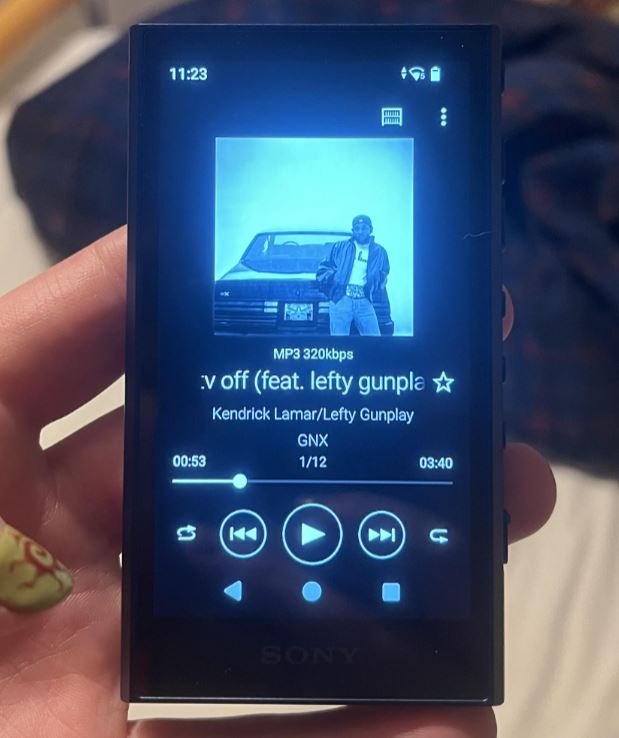
Credit: Kathryn Nutt
So, after a year of experimenting and trialling, is it worth giving up Spotify? Well, it’s certainly worth trying to. This experience of giving each app a good few months of judgement has meant that I now know my options, and I haven’t gone back to Spotify since deleting my account. I do genuinely feel better as a consumer knowing that my subscription cost isn’t funding the far-right and that it is going towards actual artists.
For the greater good, and for your own peace of listening, you should either try something new or go back to physical media. It makes music collection and listening much more fun if you experiment with it. I encourage everyone to play around with their streaming sites, and to be open to change and experimentation. It makes for a fun experience and broadens your insight into your music streaming options.