Interview with Matt Carmichael: Exploring the award-winning saxophonist’s journey
Written by Nathan Kelly
Scottish saxophonist Matt Carmichael is making a big splash in the Scottish jazz scene, seamlessly blending the beauty and serenity of folk music with jazz’s intricacy and precision.
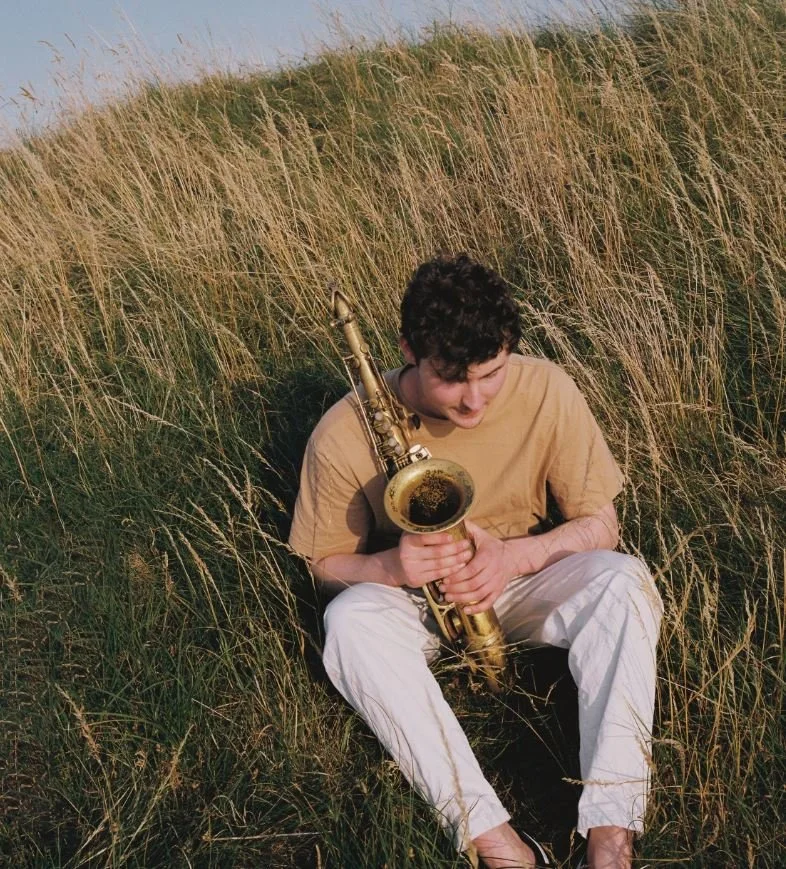
Credit: Camille Lemoine
Since releasing his third studio album Dancing With Embers, Carmichael has been garnering mass critical acclaim across the nation. With a nomination for Scottish Album of the Year at the SAY awards, and a win for Jazz Album of the Year at the Scottish Jazz Awards, everything is on the up for him.
I got the chance to speak to Carmichael about his love for jazz, his own artistic experience and what’s in store for the future.
How would you describe the type of music that you make?
“I primarily started off playing jazz and saxophone. Very much influenced by folk music in Scotland, indie folk and singer-songwriters. So jazz and improvisation is sort of the groundwork of it, but there's a lot of influence from other genres as well.”
Who are 3 artists that help influence your sound?
“Cannonball Adderley, who's an amazing saxophone player that I got into when I was really young. Really expressive, so much life in his music. The Gloaming, this contemporary Irish band of some of the best folk musicians. The way they contextualise folk music in such a timeless way really inspired me. And finally, Adrianne Lenker. She's so prolific, writes very sincere and emotional music. The directness of her voice is an influence.”
Congratulations on your album of the year award win at the Scottish Jazz Awards. Your album was a very serene, immersive piece of music. What were some of your main influences for that album specifically?
“Good question. I guess the people surrounding me thread into my music. I think specifically the guests on that album, like Brighde Chaimbeul. So, I listen to a lot of pipe music, her pipe music specifically, to learn to write melodies for the small pipes. So that was an intense period of study. Also, Rachel Sermanni, a singer-songwriter. I listen to a lot of her music, a lot of Adrianne Lenker, Bon Iver. Singer-songwriter, indie folk people, sort of influence the directness of the music.”
And you mentioned you're a saxophone player. What made you pursue saxophone specifically?
“I was just lucky. My counsel was offering like saxophone or violin lessons, and I didn't know what a saxophone was, so it just seemed like this exciting, exotic thing. Then I auditioned for it and had passed whatever music aptitude test, and I was just really hooked straight away. I think it's maybe the physicality of playing an instrument with wind and also just feeling something completely new that I’d never heard before.”
Why does jazz specifically hold such a special place in your heart?
“I think it's the improvisation. There's so much freedom in the music, and such a wide range of different styles and approaches to play within the genre. You can play with musicians all around the world, and it's almost like a shared language. I may not know their language, but I could make music with them. It's the community. When performing, there's so much communication going on between all the musicians on stage because of this improvisation.”
Do you often improvise in your own music, like your studio recording, or is it mainly just in live performances?
“Yeah, I mean, there's definitely improvisation in all my albums, on different levels. There's usually much more improvisation on live gigs. And then the studio versions are maybe a little bit more structured. But yeah, in both there's improvisation for sure.”
How would you say your own musical identity has evolved over the years?
“I started off really into the jazz tradition, jazz saxophone, and then got really into folk music when I studied jazz at music school. I was so jazz at the school that I was up for something else, and there were amazing folk musicians around Glasgow, so I got obsessed with that, and then singer-songwriters. Now the next album is more guitar-heavy, more indie – indie folk, indie rock influences. The core elements and feelings of my music remain, but I’m always exploring, learning new things, new life experiences, and inevitably your music changes as you grow.”
You've collaborated with a variety of musicians. What do you look for in collaborators, and how do they help shape the direction of the music?
“I look for similar qualities – people who are good improvisers, really nice people, and who bring something different that I don’t have, something that might shake things up. A mix of people on the same wavelength who you can have a musical conversation with, and maybe a disruptor or two who brings something new. It depends on the project, but I’m looking for people who can excite me and open up something new in my music, who I get along with personally, who share some commonality in how we want music to feel. People who are selfless when they play – not thinking about themselves or impressing anyone, but about what will sound best, even if it means not playing a single note. People who play as listeners, rather than as individuals.”
Who are some people that you still aspire to collaborate with?
“I’m really happy playing with some of the best musicians in the world in Glasgow. I guess a dream would be to play with a really heavy, amazing jazz quartet – like Joshua Redman with Brad Mehldau, Christian McBride and Brian Blade. I don’t think I’m ever going to play with them, but to play with people more connected with the direct lineage of jazz would be an amazing learning experience. It’d be cool to play with people with a really strong connection to the lineage of jazz at some point. But I also really enjoy collaborating with people in Glasgow.”
Is there anything we can expect from you in the near future?
“This year’s been quite busy – you know, I released an album, and now I’m recording another one starting tomorrow. It’ll be nice to get that done, and I don’t know if it’ll come out at the end of next year or the start of the next, so I need to start all the admin stuff and gig booking and tour for that. There’s some stuff happening next year, looking towards just making things happen with this next album – it should be fun.”