Why Britpop still defines a generation
Written by Mia Samson
Britpop - the sound of a generation. But now that that generation has grown up considerably, why are we all still obsessed today?
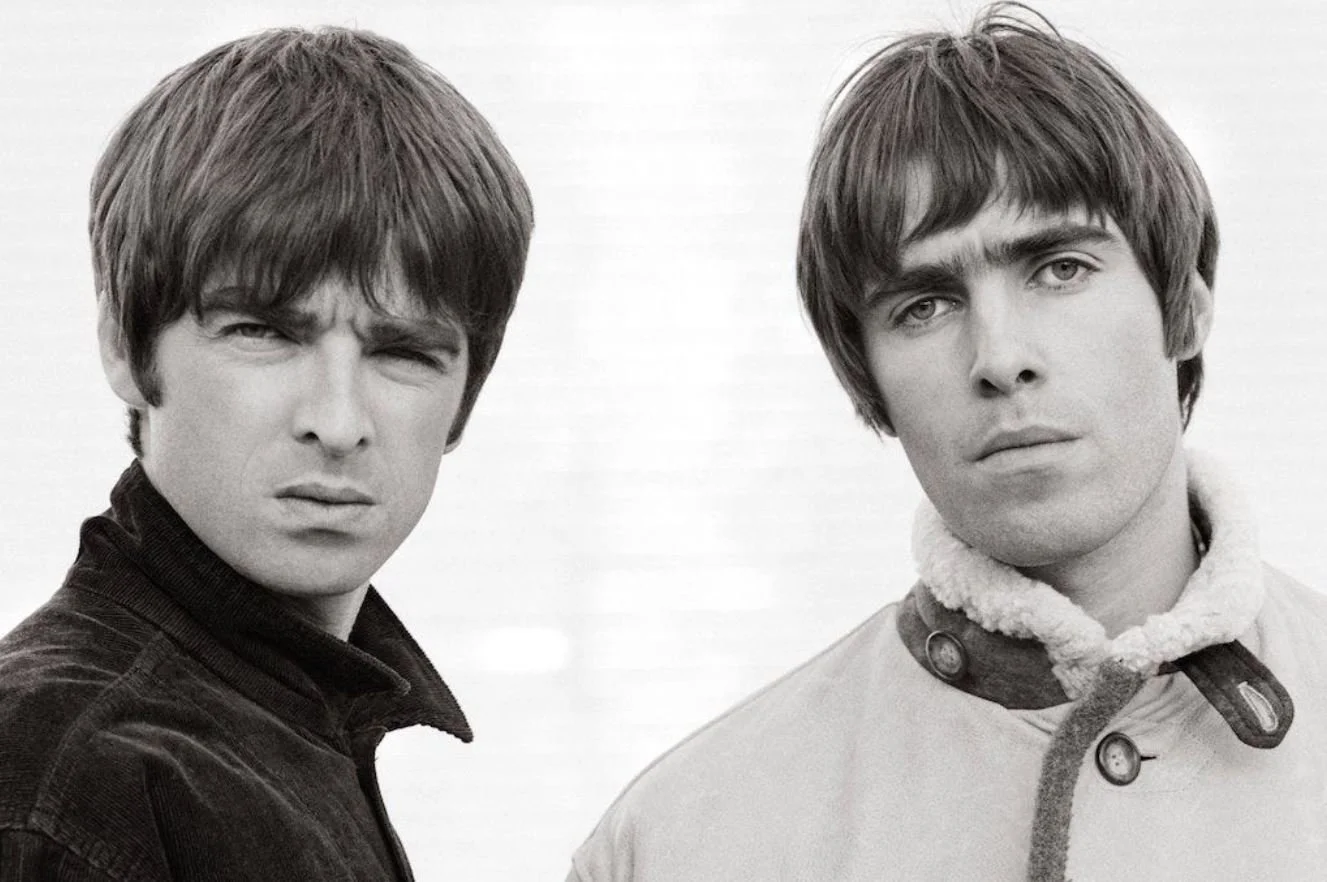
Credit: Jill Furmanovsky
Britpop represented something that feels far from our reach now! Unapologetic, real working class kids' voices were dominating the media in music, fashion and even politics. It created a sense of cultural identity full of messiness, youthfulness and life.
For Gen-Z, myself included, Britpop is our reference point and everything before our year zero which is similar to how stars of Britpop were when the punk scene exploded. It provides a past movement to look back to when the present offers few unifying subcultures of its own.
Britpop wasn't untouchable in the glamorous flamboyancy of past scenes such as Glam or the New Romantics. It was familiar, starting in the depressing northern towns where it seemed you were born, you worked, you died. People started writing about real things – not necessarily politics, but just life, boredom, love, resentment – the universal truths that you could relate to no matter your background.
Today’s mainstream feels distant and curated. So of course young people look back. Access, branding and polish often matter more than perspective. Britpop felt earned, not manufactured.
I think one of the defining points of Britpop that made it so accessible for everyone was the fact that the music was mainstream. Not only the music but also the people that made the music were outspoken, politically aware and unfiltered. Names that spring to mind are my big three: Oasis, Blur and Pulp.
Their public feuds, Oasis vs Blur and Jarvis Cocker's BRIT Awards incident with Michael Jackson, were part of the culture and they did not ever aim to be safe or universally palatable, if anything they were the complete opposite.
Britpop was not just about music, it was fashion, attitude, media and identity. Lad culture, tabloid obsession and youth rebellion were all distinctly British responses to a past dominance of American culture. The music that correlated to it felt tied to a time, place and a shared mood.
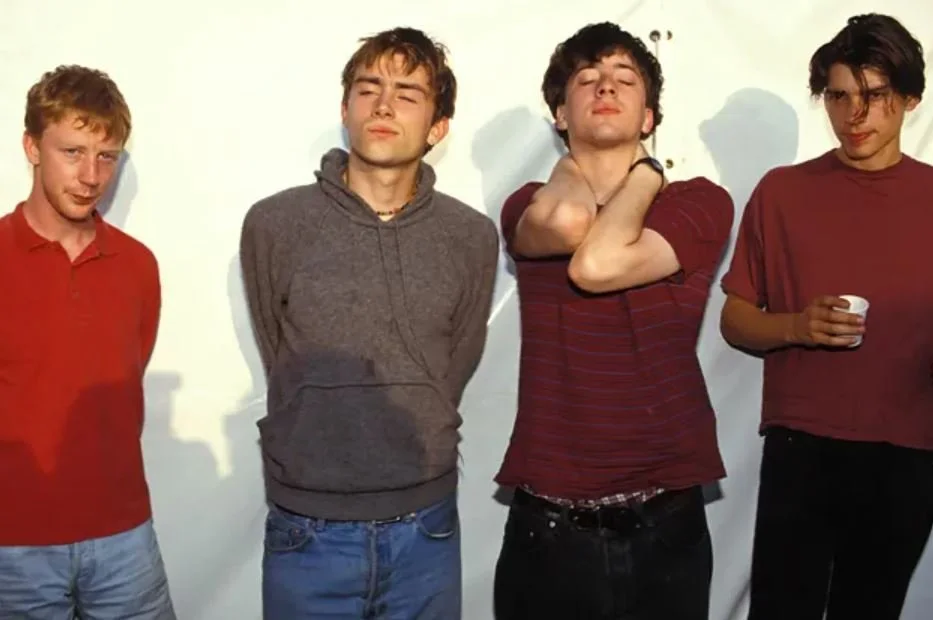
Credit: Mick Hutson
In a fragmented digital era, it is obvious to see why us youths of today still look back at this scene and try to replicate it. Gen Z doesn’t have a single unifying movement in the way Britpop dominated the ’90s, and if there are any it is usually inaccessible to those of a working class background.
Britpop offers a ready-made aesthetic so young people know how to dress and look to be considered a part of this scene as well as a clear ideology and attitude and a sense of belonging tied to a collective culture, not an algorithm.
I also think there is a certain attraction to the scene for young boys which is similar to that of the ‘80s casual scene, and that is the emphasis of masculine identity. In a society where gender is more fluid, young working class males tend to look for a sense of structure - this is one of them.
All in all, revivals such as this one and ones like mod culture, where younger generations recreate past movements not out of irony, but because the present feels culturally thin.
As much as I adore this era of Britain, that doesn’t mean it was perfect. In fact, it was far from it. Britpop could be laddish to the point of exclusion as it often sidelined women. The media frenzy was vicious, invasive, and at times downright cruel. The excess wasn’t always charming; sometimes it was destructive. Nostalgia has a way of smoothing those edges, but they were real, and they mattered.
Still, the flaws don’t cancel the spirit of the movement.
It’s not about wishing for a return to the ’90s, or pretending everything was better before smartphones. It’s about recognising that Britpop proved something important: mainstream music can still be specific, regional, political, messy and alive. It can reflect actual lives instead of aspirational mood boards.
Britpop still defines a generation because it captured a version of Britain that felt raw and unvarnished – sometimes ugly, often euphoric, always loud. And in an era that prizes control, optimisation, and image management, that kind of chaos feels almost radical.
Maybe that’s what people are really nostalgic for. Not just the songs. But the sense that culture once felt less curated - and a lot more real.